You know that feeling when your joints are achy, your energy is low, and you just feel… puffy? I’ve been there. About three years ago, I went through a phase where I was constantly bloated and my knees hurt after standing in the kitchen for hours testing recipes. My doctor mentioned inflammation, and honestly, I thought she’d prescribe some expensive supplement. Instead, she suggested I look at what I was drinking.
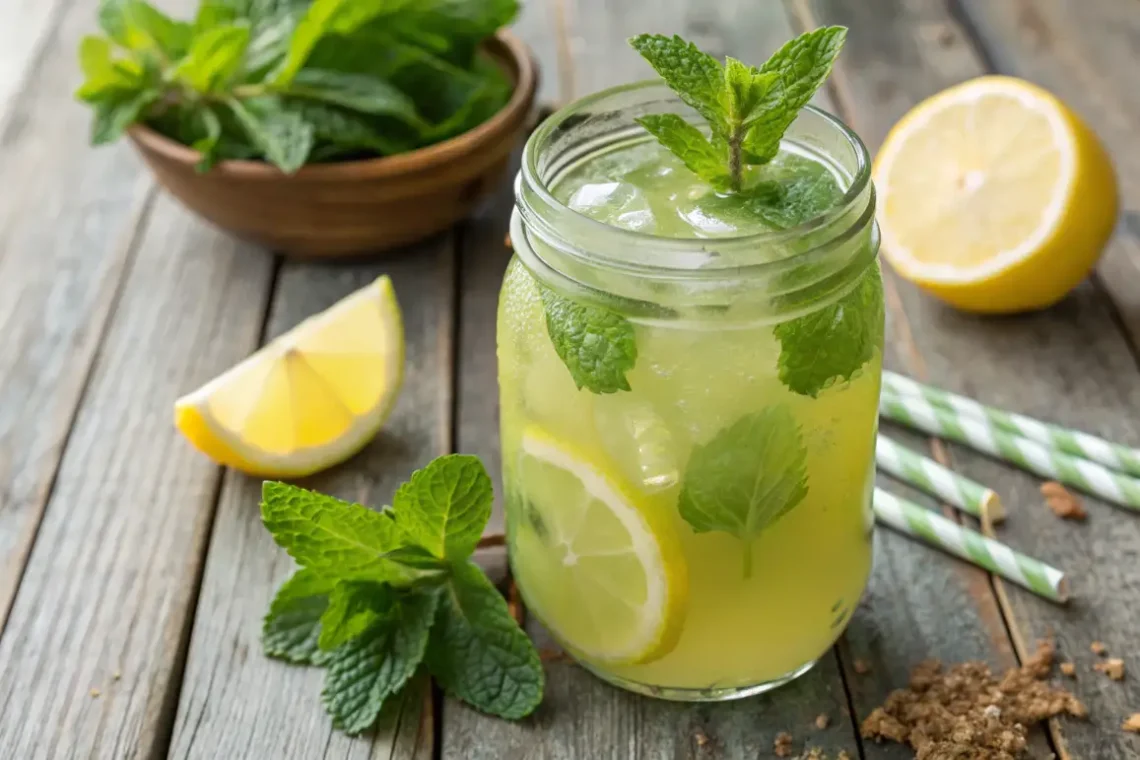
That’s when I started experimenting with anti-inflammatory drinks, and this mint lemon juice became my absolute go-to. I make a big batch every Sunday now, store it in glass mason jars, and sip it throughout the week. The difference? I actually notice when I skip it. My wedding ring fits better, my brain feels clearer, and I don’t feel like I need three cups of coffee just to function.
Here’s the thing about inflammation. It’s sneaky. It’s not always obvious, but it affects everything from your digestion to your mood to how well you sleep. And while this juice isn’t going to cure chronic conditions (please see a doctor for that), it’s been a game-changer for managing everyday inflammation. Plus, it tastes amazing, which honestly matters more than any health benefit when you’re trying to stick with something long-term.
Essential Ingredients
- 4 large lemons (preferably organic)
- 1 cup fresh mint leaves (about 1 large bunch)
- 1-inch piece fresh ginger root
- 1-inch piece fresh turmeric root (or 1 teaspoon ground turmeric)
- 2 tablespoons raw honey (optional, for sweetness)
- 4 cups filtered water
- Pinch of black pepper (trust me on this one)
- Ice cubes for serving
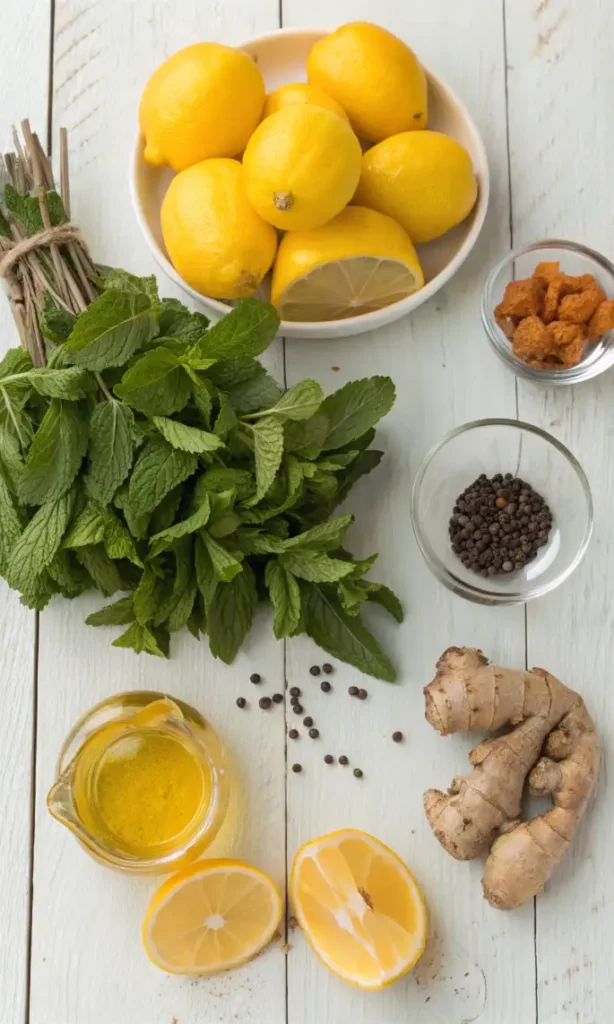
Alternative Ingredients
Look, I get it. Not everyone has access to fresh turmeric root or wants to spend $6 on organic lemons. Here are some swaps that actually work:
If you can’t find fresh turmeric: Use 1 teaspoon of ground turmeric instead. The flavor is slightly different (more earthy, less bright), but the anti-inflammatory benefits are similar. Just make sure your ground turmeric is fresh. If it’s been sitting in your spice cabinet since 2019, toss it and get new stuff.
Budget-friendly lemon option: Regular lemons work fine. I use organic when I’m using the zest, but for juicing, conventional lemons are totally acceptable. You’re getting the same vitamin C and citric acid.
Mint substitutes: Fresh basil or cilantro can work in a pinch, though the flavor profile changes completely. I’ve tried both. Basil gives it an almost Thai-inspired vibe, while cilantro makes it taste more like a salsa verde situation (not bad, just different).
Sweetener options: Maple syrup, agave nectar, or even a couple of dates blended in work great. I’ve also made this with stevia for friends doing keto meal plans, though I personally find the aftertaste weird.
Step-by-Step Directions
Step 1: Prep your ingredients. Wash everything thoroughly. I learned this the hard way after getting gritty juice once. Cut the lemons in half and juice them. You should get about 1/2 to 3/4 cup of fresh lemon juice. Remove any seeds.
Step 2: Prepare the ginger and turmeric. Peel both roots using the edge of a spoon (this is an old trick I picked up that works way better than a peeler). Roughly chop them into smaller pieces. Your fingers will turn yellow from the turmeric. That’s normal. It’ll wash off eventually.
Step 3: Blend everything. Here’s where having a good blender really matters. I use my Vitamix because it completely pulverizes the ginger and turmeric into tiny particles, making the juice smooth instead of chunky. But honestly, any high-speed blender works. I’ve made this in a regular blender too, and while it’s slightly grittier, it’s still drinkable.
Add the lemon juice, mint leaves, ginger, turmeric, honey, water, and that pinch of black pepper into your blender. The black pepper isn’t random, by the way. It helps your body absorb the curcumin in turmeric by up to 2000%. I read that in a nutrition study and it blew my mind.
Step 4: Blend on high for 60-90 seconds. You want everything completely smooth. If you see chunks of ginger floating around, blend longer.
Step 5: Strain the juice. Use a fine-mesh strainer or cheesecloth. Press down with a spoon to extract all the liquid. You’ll lose about 1/4 cup to the pulp, but that’s normal. Some people skip this step and drink it pulpy. I can’t do it. The texture bothers me.
Step 6: Taste and adjust. Too tart? Add more honey. Too sweet? Squeeze in another half lemon. Not spicy enough? Add more ginger. This recipe is super forgiving.
Step 7: Store properly. Pour into glass containers (I use those meal prep containers with the airtight lids) and refrigerate. It stays fresh for 4-5 days.

Pro Tips
Tip 1: Make ice cubes. I freeze some of this juice in ice cube trays, then pop them into my water bottle during the day. It’s like a flavor boost plus anti-inflammatory benefits without the effort of making a fresh batch.
Tip 2: Don’t skip the straining. I tried to convince myself the pulp added fiber. It doesn’t. It just makes the texture unpleasant and gets stuck in your teeth. Strain it.
Tip 3: The ginger-to-turmeric ratio matters. Too much ginger makes it spicy like a shot (which some people love, but I prefer sippable). Too much turmeric makes it earthy and bitter. The 1:1 ratio I’ve listed here is the sweet spot I’ve found after making this at least 50 times.
Tip 4: Drink it cold. Room temperature mint lemon juice is sad. Ice cold mint lemon juice is refreshing and makes you feel like you’re doing something good for your body.
Tip 5: Pair it with healthy fats. This sounds weird, but I usually have this juice alongside breakfast with avocado or nuts. The curcumin absorbs better with dietary fat. Science is cool.
FAQs
Q: Can I use a juicer instead of a blender?
A: Yes, but you’ll need to juice the lemons separately and then blend the ginger, turmeric, and mint with water before straining. I’ve done it both ways. The blender method is easier and doesn’t require a fancy juicer.
Q: How much should I drink per day?
A: I drink about 8 ounces in the morning and sometimes another 4 ounces in the afternoon. Some people do more. Listen to your body. If you’re new to turmeric, start small because it can upset sensitive stomachs.
Q: Will this stain my blender?
A: The turmeric might leave a slight yellow tint, especially on plastic. My Vitamix container has a faint yellow hue now, but it doesn’t affect performance. If this bothers you, blend a baking soda paste right after (1 cup water + 2 tablespoons baking soda) to minimize staining.
Q: Can I add other ingredients?
A: Absolutely. I’ve thrown in cucumber for extra hydration, a pinch of cayenne for metabolism boosting, or a handful of spinach (though this changes the color to a swampy green, which is less appetizing). Some people add apple for sweetness.
Q: Is this safe during pregnancy?
A: I’m not a doctor, so please check with yours. Turmeric and ginger in large amounts aren’t recommended during pregnancy, but culinary amounts are usually fine. Your OB will know your specific situation.
Recipe Info
| Metric | Details |
|---|---|
| Prep Time | 10 minutes |
| Total Time | 10 minutes |
| Servings | 4 (8-ounce servings) |
| Yield | About 4 cups |
| Difficulty | Easy |
| Storage | Refrigerate up to 5 days |
Why You’ll Love This Recipe
This isn’t one of those recipes where I’m going to oversell you. I’ll be honest. The first time you make this, you might think it’s too zingy or too gingery. That’s normal. By the third time, you’ll start craving it. By the tenth time, you’ll be texting your friends about it like I do.
What I love most is how customizable it is. Hate mint? Use less. Want it sweeter? Add more honey. Prefer it ultra-spicy? Double the ginger. There’s no wrong way to make this, which takes the pressure off.
Also, it genuinely makes me feel better. I’m not saying it’s a miracle cure, but the combination of vitamin C from lemons, anti-inflammatory compounds from turmeric and ginger, and the digestive benefits of mint creates something that just works. I sleep better when I drink this regularly. My skin looks clearer. My digestion improves. These aren’t placebo effects after three years of consistent use.
What Makes This Recipe Unique
Most anti-inflammatory juice recipes are either too complicated (requiring 15 ingredients and a $400 juicer) or too simple (literally just lemon water). This hits the middle ground perfectly.
The mint is the secret weapon here. Most recipes skip it, but mint adds this cooling effect that balances the heat from ginger and the earthiness of turmeric. It also helps with digestion and reduces bloating, which is why I started adding it in the first place.
Another thing that sets this apart is the texture. By blending everything and then straining, you get all the beneficial compounds without the fibrous pulp that makes other fresh juices feel like you’re drinking a salad. Some people love that. I don’t.
Key Features
- Quick to make: 10 minutes from start to finish, including cleanup
- Budget-friendly: Costs about $2-3 per batch if you buy ingredients on sale
- Natural energy boost: No caffeine crash, just sustained energy from the nutrients
- Gut-friendly: The combination of ingredients supports healthy digestion
- Anti-inflammatory powerhouse: Turmeric and ginger are backed by actual scientific research for reducing inflammation
- Customizable: Easy to adjust sweetness, spice level, and flavor intensity
Nutrition Facts (Per 8-ounce serving)
| Nutrient | Amount |
|---|---|
| Calories | 45 |
| Total Fat | 0g |
| Sodium | 5mg |
| Total Carbohydrates | 12g |
| Dietary Fiber | 0g (strained) |
| Sugars | 9g |
| Protein | 0g |
| Vitamin C | 35mg (58% DV) |
| Vitamin A | 120 IU |
| Iron | 1mg |
Note: Nutrition facts are approximate and will vary based on ingredient brands and honey amount used.
You’ll Also Love
If this juice becomes part of your routine like it has mine, you might want to try these other inflammation-fighting recipes:
- Golden Milk Latte: Similar turmeric benefits but warm and creamy
- Ginger Shot with Cayenne: For when you need a quick immunity boost
- Green Anti-Inflammatory Smoothie: Adds greens and protein for a meal replacement option
- Cucumber Mint Water: A lighter, more subtle version for all-day sipping
Conclusion
I never thought I’d be the person who makes fresh juice every week. I’m busy. I have a food processor, a stand mixer, and way too many kitchen gadgets already. But this recipe is so simple and the benefits are so noticeable that it’s become non-negotiable in my routine.
Start with a small batch. See how you feel after a week. Adjust the flavors to suit your taste. And don’t stress about making it perfect. The best anti-inflammatory juice is the one you’ll actually drink, and this recipe makes that easy.
If you make this, I’d love to hear how you customize it. Some of my readers add coconut water instead of regular water. Others throw in a frozen banana for a slushy texture. The beauty of this recipe is that it’s a template, not a rigid set of rules.
Now if you’ll excuse me, I need to go refill my glass. Cheers to feeling better, one sip at a time.